


Embassy Translation vs. Regular Translation : Which Is Better For Your Diplomatic Documents?

Updated: Mar 24

When you're preparing documents for an embassy or consulate, the difference between regular translation and embassy-grade translation isn't just a matter of quality: it's often the difference between acceptance and rejection. I've seen too many visa applications delayed, diplomatic correspondence misinterpreted, and critical opportunities lost because someone assumed any translation would suffice. Here's the truth: embassies don't accept "good enough." They require precision, accountability, and formatting that meet international diplomatic standards.
What Makes Embassy Translation Different
Regular translation serves a purpose. It helps you understand foreign language content, communicate informally across borders, and grasp the general meaning of documents. But when you're dealing with official correspondence, visa applications, or diplomatic communications, regular translation falls dangerously short. The stakes are simply too high for approximation.
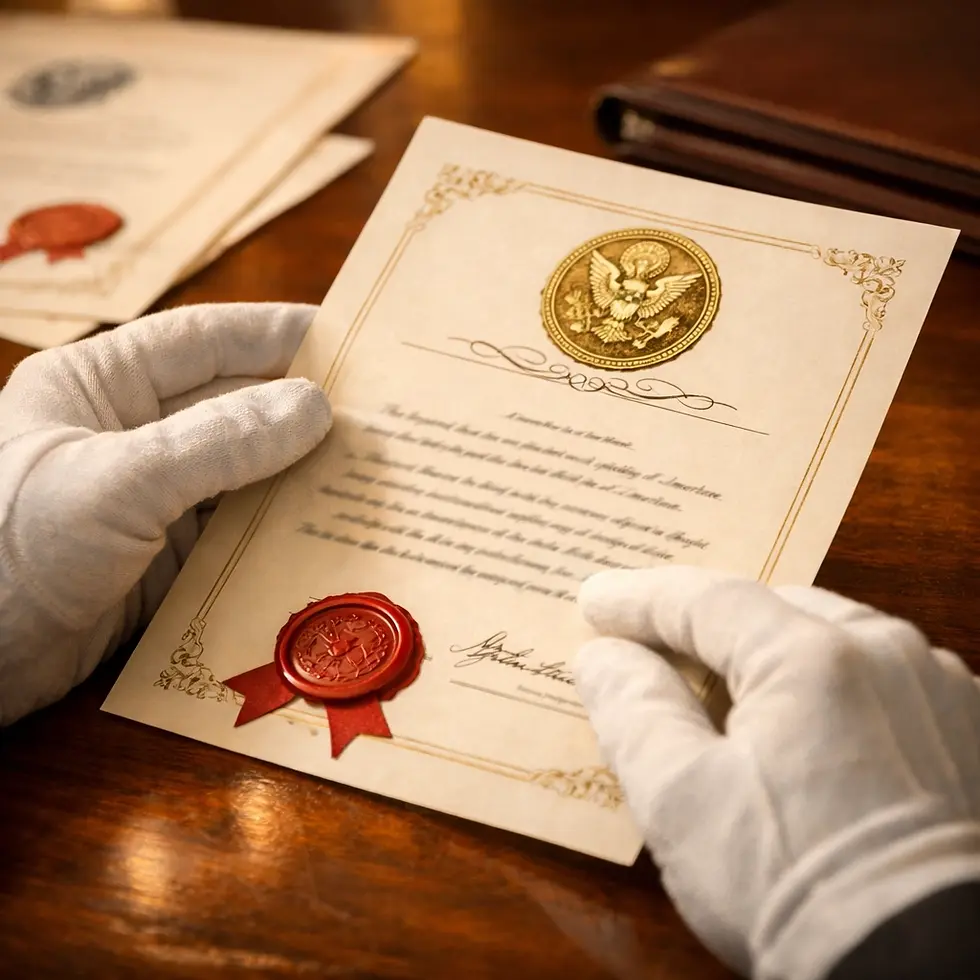
Embassy translation demands a level of exactitude that goes beyond linguistic accuracy. Every name must be spelled identically to the source document. Every date must be formatted according to the receiving country's standards. Legal terminology must be rendered with precision that leaves no room for interpretation. I ensure that each diplomatic document I translate includes the formal attestation of accuracy that embassies require: complete with my signature, credentials, and official stamp. Without these elements, your document isn't just incomplete. It's inadmissible.

Why Embassies Reject Regular Translations
You shouldn't have to learn the hard way that embassies operate under strict protocols. When diplomatic personnel review translated documents, they're looking for specific markers of authenticity and professional accountability. A regular translation, even a perfectly accurate one, lacks the legal framework that diplomatic institutions demand. There's no verifiable chain of responsibility, no formal declaration of accuracy, and no recourse if errors emerge.
I've worked with clients who submitted beautifully translated documents that were rejected outright because they lacked certification. The translation itself was accurate, but embassies need more than accuracy. They need legal accountability. They need to know that a qualified professional has reviewed every word and taken formal responsibility for its precision. When you're applying for a visa, seeking diplomatic recognition, or submitting official correspondence to a consulate, the translator's signature and stamp aren't decorative elements. They're legal instruments that validate the document's authenticity.
The consequences of using regular translation for diplomatic documents extend beyond simple rejection. Inconsistencies between your original document and its translation can raise red flags about document authenticity. Errors in legal terminology can fundamentally alter the meaning of contracts or official statements. Even minor mistakes in biographical information, such as a middle name misspelled, a birthdate transposed, can delay processing by weeks or months. In diplomatic contexts, these aren't just inconveniences. They can derail career opportunities, family reunification plans, or critical business negotiations.
The Zero-Revision Standard for Diplomatic Precision
Here's what I bring to the table: a zero-revision guarantee that reflects the non-negotiable nature of diplomatic translation. When I translate embassy documents, there's no room for "close enough" or "we'll fix it later." The first submission must be perfect because diplomatic timelines don't accommodate revision cycles. Embassy staff don't have time to request corrections or clarifications. They need documents that are immediately usable, completely accurate, and formatted to their exact specifications.
This guarantee isn't marketing language. It's a professional commitment rooted in bi-cultural expertise and specialized training. I understand not just the languages involved but the cultural context that shapes diplomatic communication. Much like the importance of voice preservation in literary translation, diplomatic documents require preserving the exact tone, formality level, and stylistic conventions of official communication. A casual phrase that works in business correspondence becomes inappropriate in diplomatic contexts. Conversely, overly formal language in certain sections can signal unfamiliarity with diplomatic norms.
The bi-cultural dimension matters more than many realize. Embassies evaluate documents through cultural as well as linguistic lenses. They notice when translations ignore cultural conventions around titles, honorifics, or institutional hierarchies. They recognize when a translator lacks familiarity with how specific countries format official documents. I bring that dual-culture fluency to every embassy translation, ensuring that your documents don't just translate words: they translate meaning, context, and cultural appropriateness.
When Regular Translation Creates Diplomatic Liability
The line between regular and embassy translation becomes starkest when legal implications enter the picture. Similar to the precision required for legal document translation in cross-border contexts, diplomatic documents carry legal weight that regular translations can't support. A mistranslated clause in a diplomatic agreement can create binding obligations that differ from the original intent. An error in a visa application can constitute misrepresentation, even if unintentional.
Regular translators often work without the legal training necessary to recognize these pitfalls. They may accurately translate the words while missing the legal implications of specific terminology. They might use everyday language where technical legal terms are required, or vice versa. They typically don't maintain the detailed glossaries and reference materials necessary to ensure terminological consistency across multiple documents from the same institution.
I approach embassy translation as a form of legal translation that requires both linguistic skill and institutional knowledge. Every embassy and consulate has specific requirements: some accept only translations from sworn translators within their jurisdiction, others require additional apostille certification, and still others mandate specific formatting conventions. Before I begin any embassy translation project, I verify the exact requirements of the receiving institution. This preliminary research prevents the costly scenario where a perfectly executed translation gets rejected because it doesn't meet a procedural requirement.
The Real Cost of Translation Errors in Diplomatic Contexts
When translation errors reach embassy desks, the consequences cascade beyond the immediate rejection. Visa processing timelines extend by months. Business deals collapse because critical documents arrive too late. Family reunifications get postponed, leaving people in legal limbo. Professional opportunities evaporate when credentials can't be verified on schedule. These aren't hypothetical scenarios: they represent the real-world impact of choosing regular translation for diplomatic purposes.
The financial cost multiplies quickly. You've already paid for the rejected translation. Now you're paying for rushed re-translation. Application fees may not be refundable. Travel arrangements may need rebooking. Legal consultations accumulate. What seemed like a cost saving by choosing cheaper regular translation becomes exponentially more expensive when the true accounting includes delays and missed opportunities.
Beyond financial considerations, there's a reputational impact. Diplomatic institutions maintain records. When your organization submits poorly translated documents, it signals a lack of professionalism that colors future interactions. Diplomatic personnel remember entities that waste their time with inadequate documentation. In fields where relationships and reputation matter: international business, academic exchanges, cultural diplomacy, that first impression can't be reclaimed.

How I Ensure Embassy-Ready Translation Quality
Here's how it works when you need translation that meets diplomatic standards. First, I conduct a thorough analysis of both the source document and the receiving institution's requirements. This isn't a quick glance: it's a systematic review that identifies potential complications before translation begins. Are there institutional names that require specific rendering? Does the destination country have conventions around date formats or numerical notation? Are there honorifics or titles that need careful handling?
The translation phase employs specialized terminology databases developed specifically for diplomatic and official communications. I maintain reference libraries of how various embassies and consulates prefer specific terms rendered. This institutional knowledge prevents the common errors that occur when translators apply general language skills to specialized diplomatic contexts. Every proper name gets verified against official sources. Every date gets double-checked. Every legal term gets confirmed against authoritative glossaries.
Quality assurance for embassy translation goes beyond standard proofreading. I review the translated document against a checklist of diplomatic requirements specific to the receiving institution. Does it include all required certifications? Is the formatting consistent with embassy expectations? Are signatures and seals positioned correctly? Have I included my credentials and contact information in the format the embassy specifies? This systematic approach eliminates the variables that cause regular translations to fail embassy scrutiny.
Making the Right Choice for Your Diplomatic Documents
The question isn't really whether embassy translation is better than regular translation for diplomatic documents. The question is whether you're willing to accept the risks and consequences that come with using regular translation in contexts that demand diplomatic precision. Regular translation has
its place: for informal communications, personal understanding, or preliminary review of foreign-language materials. But when documents cross embassy thresholds, the standards change entirely.
I've built my practice around the principle that diplomatic documents deserve specialized expertise. When you're navigating visa applications, official correspondence with foreign ministries, or certification of credentials for international positions, you need more than an accurate word-for-word translation. You need a translator who understands diplomatic protocols, meets embassy requirements, and takes legal responsibility for every element of the translated document.
The choice becomes clear when you consider what's at stake. Your career advancement. Your family's immigration status. Your organization's international credibility. These high-stakes situations demand translation that embassies accept without hesitation: translation that arrives complete, accurate, and properly certified the first time. That's the standard I deliver, backed by a zero-revision guarantee that reflects the non-negotiable nature of diplomatic communication.
If you're preparing documents for embassy submission, consular processing, or diplomatic correspondence, I'm ready to ensure they meet every requirement the first time. Your diplomatic documents stay secure throughout the process, treated with the full discretion that sensitive international communications require. Get in touch with Meliora Translation Services and let's make certain your documents receive the embassy-grade translation they demand.


Comments